


What is insulin resistance?
When a person is insulin resistant their cells do not respond to a normal amount of insulin made by the pancreas. They need to produce abnormally high levels of insulin to move blood glucose (blood sugar) out of the blood stream and into cells and tissue.
A simpler explanation of insulin resistance is this: Someone who has insulin resistance has lost their normal sensitivity to insulin.
How is insulin resistance diagnosed?
Insulin resistance is diagnosed when a lab test shows that the normal action of insulin (to facilitate carbohydrate metabolism) in the body is compromised.
I have normal blood sugars. Can I still be insulin resistant?
Yes! A person with insulin resistance may or may not have normal blood sugar levels, but they will always have higher than normal insulin levels in response to an oral glucose tolerance test (OGTT).
To check for insulin resistance your doctor needs to check your circulating insulin and blood glucose from the same blood draw during a fasting glucose test or an oral glucose tolerance test. For more information, read, “Can you be insulin resistant and still have normal blood sugars?”

A simple blood sugar test cannot diagnose insulin resistance or rule it out.
What tests can tell me if I am insulin resistant?
A routine finger stick in your doctor’s office can only tell you what your blood sugar is – it cannot tell you what your insulin levels are. Unless your doctor specifically asks a lab to test your insulin levels (when they test your blood sugar levels), an oral glucose tolerance test cannot rule out insulin resistance. Have your doctor check:
- Fasting insulin levels; and
- Insulin levels at the 2-hour mark of an oral glucose tolerance test.
It is important to have both blood sugar and insulin levels checked at the same time because many doctors believe that insulin levels alone are not enough to diagnose (or rule out) insulin resistance. Some doctors do simply look at insulin levels but most will compare the ratio of insulin to blood sugar level.
A Brief Note About Insulin
Insulin is a hormone made in the pancreas that acts as a key to open cells so that they will allow glucose (blood sugar) from the blood stream to enter in.
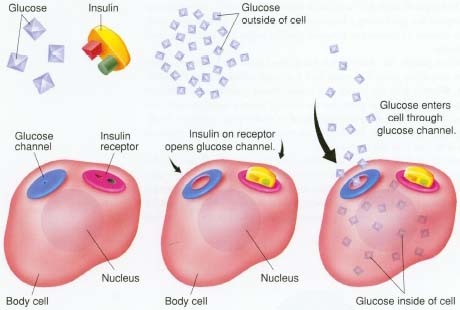
Without insulin, glucose cannot get into cells. Blood glucose can quickly build to dangerous levels resulting in diabetes complications or even death. More Information About Insulin
